|
|
| Show All 29 Results (Text Only) |
|
| Buddhist Art from China and Japan |
|
| The Cleveland Museum of Art
|
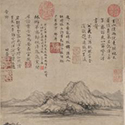
This lesson explores new objectives for art and examines how Chinese painting reflects Buddhist principles. Students learn to consider the meaning and significance of Buddhist mudras through the examination of images from the Cleveland Museum of Art.
Go to Museum Resource: http://www.clevelandart.org/lesson-plan-packet/buddhist-art-china-and-japan | |
|
|
| Buddhist Sculpture from China |
|
| China Institute
|
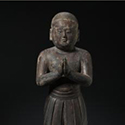
“The period covered by Buddhist Sculpture from China fits within Era 4 of the National History Standards, “Expanding Zones of Exchange and Encounter, 300-1000 CE”: Buddhist, Christian, and Hindu Traditions: Not only Islam but other major religions also spread widely during this 700-year era. Wherever these faiths were introduced, they carried with them a variety of cultural traditions, aesthetic ideas, and ways of organizing human endeavor. Each of them also embraced peoples of all classes and diverse languages in common worship and moral commitment….The entry of Buddhism into China and East Asia at the beginning of the Common Era is central to any perception of cultural exchange as playing “a crucial role in human history, being perhaps the most important external stimuli to change, leaving aside military conquest” (Curtin 1984: 1).”
Go to Museum Resource: https://china360online.org/?property=buddhist-sculpture-from-china | |
|
|
|
|
| Chinese Rubbings Collection of the Field Museum |
|
| Ackland Art Museum, University of North Carolina at Chapel Hill
|
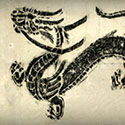
For more than 1,500 years rubbings have been a vital medium for preserving China's art, culture, and history. These beautiful works are made by pressing thin sheets of wet paper into carvings or inscriptions cut in stone or other hard materials and carefully inking the surface to create a copy of the original. The resulting rubbing has white impressions where the paper was pressed into the carving surrounded by a typically black ink field. Because they are easily transported, rubbings quickly became the primary means to faithfully reproduce and share historical data, poetry, scholastic texts, calligraphy, and art throughout China.
Go to Museum Resource: https://www.fieldmuseum.org/node/4986 | |
|
|
|
| Confucius, Shotoku, and the Golden Rule |
|
| The Cleveland Museum of Art
|
Confucian thought, Prince Shotoku’s Constitution, and the Golden Rule provide an opportunity for teachers and students to develop a shared vision for learning and classroom relationships. By looking at these ancient sayings, modern-day students can formulate their own rules of conduct.
Go to Museum Resource: http://www.clevelandart.org/lesson-plan-packet/confucius-shotoku-and-golden-rule | |
|
|
|
|
| Show All 29 Results (Text Only) |